

Pet Pain Managementin Stoney Creek, ON
Fruitland Veterinary Hospital provides pet pain management in Stoney Creek, ON, for dogs, cats, and select exotic pets. Our team focuses on relieving discomfort and improving mobility through personalised treatment plans, including oral and injectable medications tailored to your pet’s condition and quality of life needs.
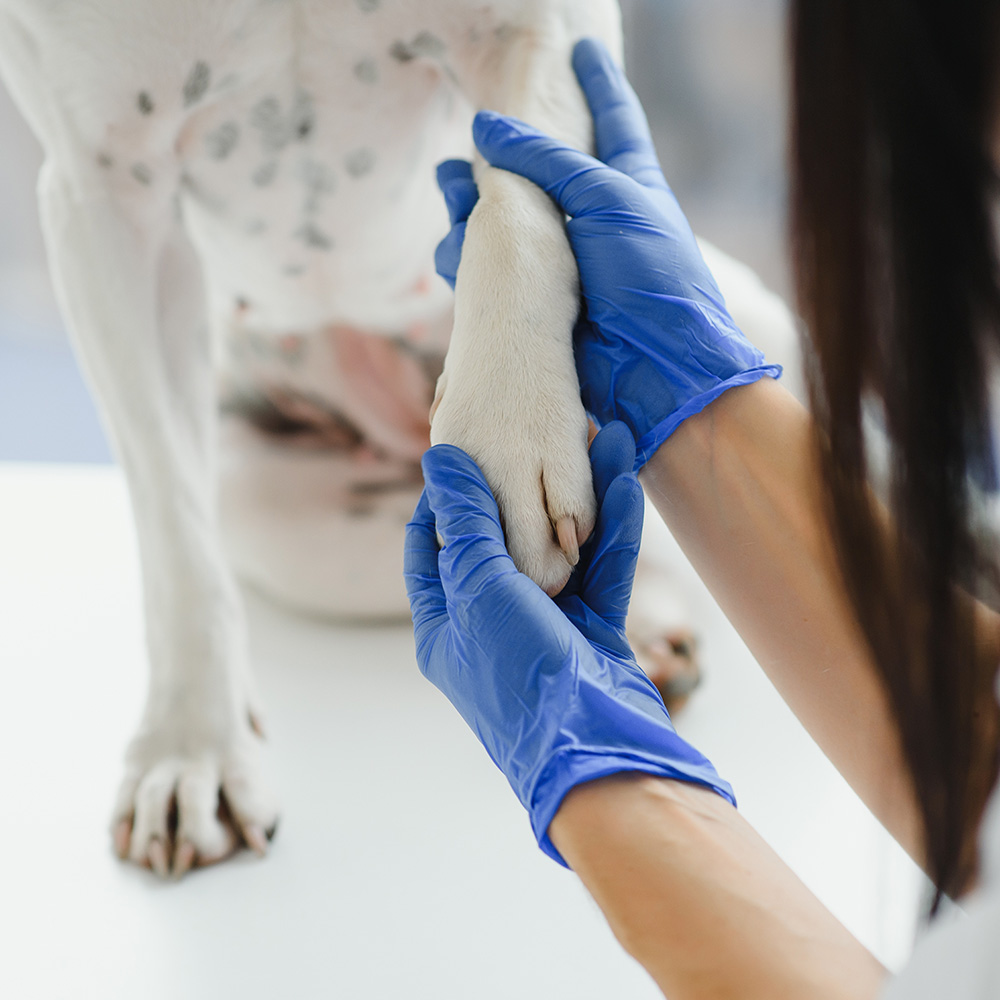
Comfort-Focused Care for Your Pet
Pain can affect your pet’s mobility, behaviour, appetite, and overall well-being. Our approach to pain management and rehabilitation focuses on identifying the source of discomfort and providing effective, individualised treatment to help your pet feel more comfortable and active.
Targeted Pain Relief
We use oral medications and injectable therapies to manage both short-term and chronic pain safely and effectively.
Improved Quality of Life
By reducing discomfort and supporting mobility, we help pets stay active, engaged, and comfortable through all life stages.
What Pain Management & Rehab Includes
At Fruitland Veterinary Hospital, pain management is tailored to your pet’s specific condition, whether related to injury, surgery, chronic disease, or aging. Treatment plans are designed to reduce discomfort while supporting healing and long-term mobility.
- Oral Pain Medications – Used for ongoing management of inflammation, arthritis, and post-procedure discomfort.
- Injectable Pain Medications – Often used for faster relief or when pets require more immediate or controlled pain support.
- Chronic Pain Management – Ongoing care plans for conditions such as arthritis or degenerative joint disease.
- Post-Surgical Pain Control – Support after procedures to ensure comfort and promote smoother recovery.
- Mobility Support – Helping pets maintain movement and function as they heal or age.
When to Consider Pain Management for Your Pet
Pets often hide signs of pain, so recognizing subtle changes can help ensure they receive the care they need. Early intervention can significantly improve comfort and long-term health outcomes.
Limping or Difficulty Moving
Stiffness, hesitation to jump, or trouble standing may indicate joint or muscle pain.
Behavioural Changes
Irritability, withdrawal, or decreased interaction can be signs of discomfort.
Reduced Activity
Less interest in walks, play, or daily routines may suggest underlying pain.
Post-Surgery Recovery
Pain control is essential after procedures to support healing and comfort.
Chronic Conditions
Conditions like arthritis or injury may require ongoing pain management.